Home/Installation
Installing an Onsite System in St. Clair County
Between the Coosa River and the ridges of the Appalachian foothills, St. Clair County packs several kinds of ground into a short drive, and each one leads to a different septic design.
Know your ground before you choose a house plan
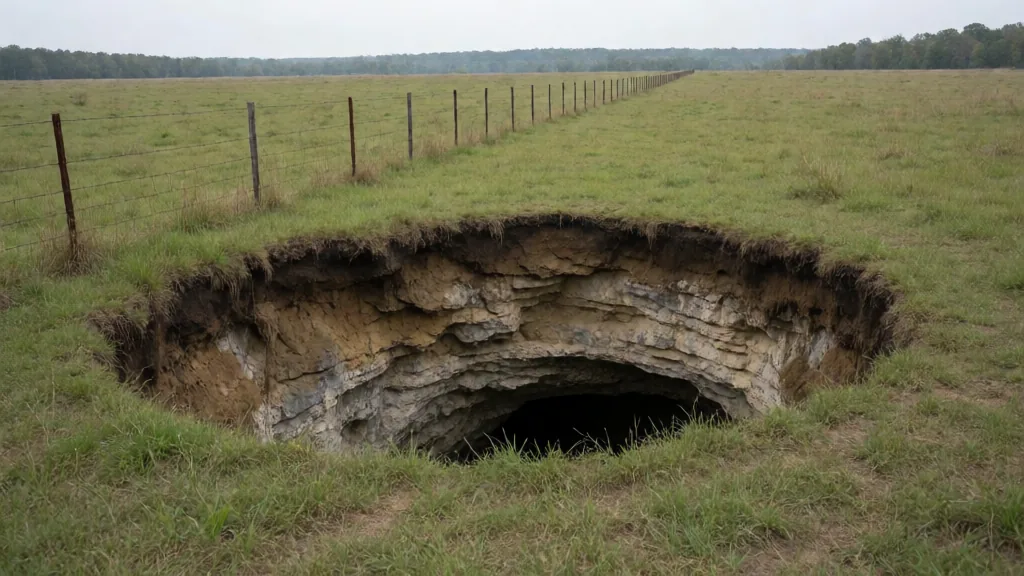
A lot on a ridge near Springville or Steele may have only a few feet of soil over rock. A lot in the valley near Ashville may have deeper soil but limestone underneath, with sinkholes to keep away from. A lake lot in Pell City, Riverside or near Ragland may be steep, small and close to the water. The soil evaluation sorts out which constraints apply, and the house should be placed with the system in mind, not the other way round.
The permit path
New systems are permitted by the St. Clair County Health Department under the Alabama Department of Public Health's onsite rules in Chapter 420-3-1. The usual sequence:
- Application with the site plan
- Soil and site evaluation using hand borings
- Design for both the primary field and the required reserve area
- Approval, then installation by an Alabama Onsite Wastewater Board licensed installer
- Inspection before the system is covered
What drives the design
| Site condition | Likely effect |
|---|---|
| Deep, well-drained soil | Conventional trenches possible |
| Shallow rock on ridges | Raised field or treatment unit |
| Sinkholes or karst nearby | Field relocated to keep setbacks; possibly treatment |
| Steep lake lot | Pumped system, careful setbacks from the water |
| Small subdivision lot | Compact design to fit field plus reserve |
Scheduling around the weather
Winter and spring rains can make red clay sites muddy and slow, and heavy equipment on wet soil damages the very ground the field needs. Plan installation for drier months where possible and keep machines off the field area during construction of the house.
Installation questions in St. Clair County
Who issues septic permits in St. Clair County?
The St. Clair County Health Department, applying the Alabama Department of Public Health onsite sewage rules.
Why can't I have a conventional system on my ridge lot?
If the soil above rock is too shallow, a conventional trench cannot treat effluent properly. A raised design or treatment unit is the usual alternative.
How far does a septic system have to be from Logan Martin Lake?
Alabama rules set minimum distances from lakes, streams and wells. See our setbacks page and confirm with the health department for your lot.
Do I need a reserve area?
Yes. Alabama requires space for a replacement field in addition to the initial one.
A licensed site evaluator has to answer that with a soil test; nobody can tell from a map. Send us your address and we will pass it to a licensed local professional where one is available. Request a quote →
Around St. Clair County
- Springville: Ridge and valley both. Depth to rock changes across a lot.
- Odenville: Central county, growing residential, mostly on-site.
- Margaret: Small town on higher ground with thin soils.
Underneath most of it: two counties in one, geologically. What that means for a system.